



































Travel delays and cancellations continue to increase as active winter weather deepens into the rest of winter. It’s projected that 122.4 million Americans traveled from Dec. 20 through Jan. 1, setting a record over last year’s 119.7 million travelers, according to “www.travelpulse.com”. With several million people taking to the skies and roads at the same time, it puts quite a demand on the nation’s transportation systems.
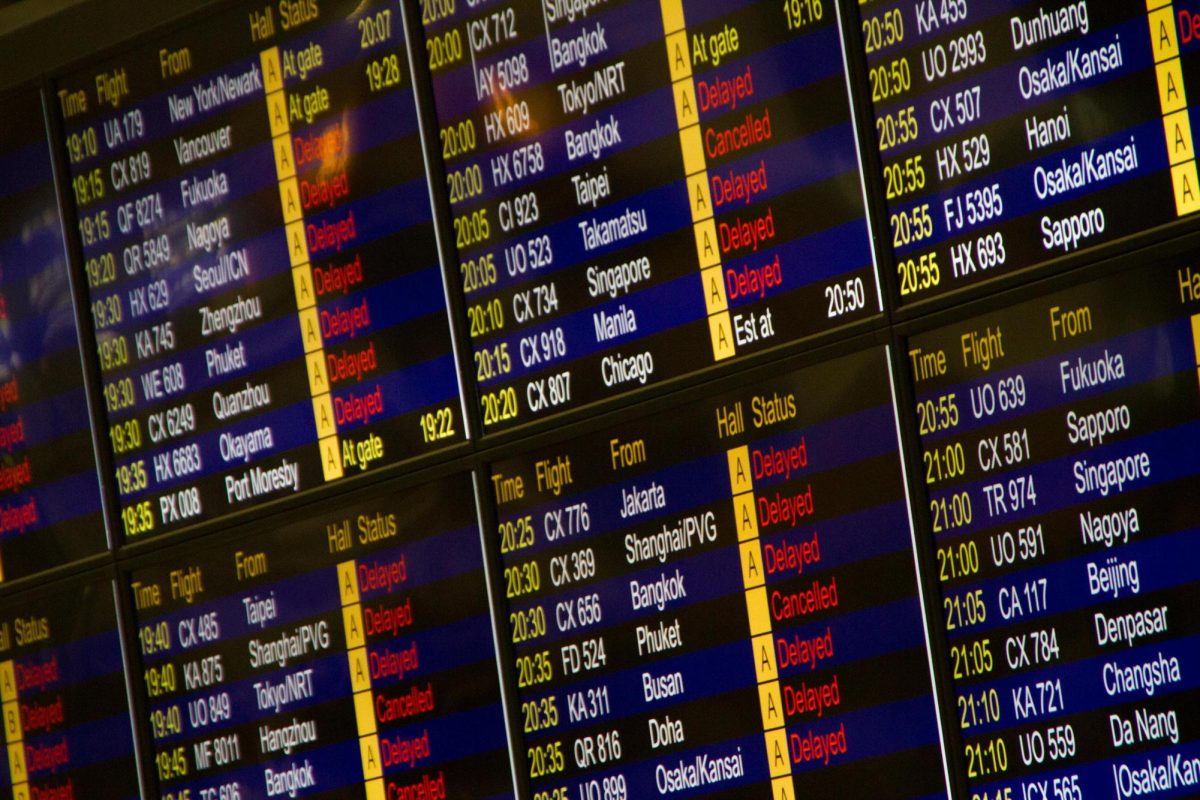
This travel season, air travel, in particular, has been especially challenging due to recent Arctic blasts that have made its way through the Midwest, with heavy snow and freezing temperatures coupled with ice, greatly affecting flight operations throughout the nation. Over 15,000 flights have been delayed or canceled across the United States according to “CBS2News” Leaving passengers in hectic airports, causing even more delays across the country.
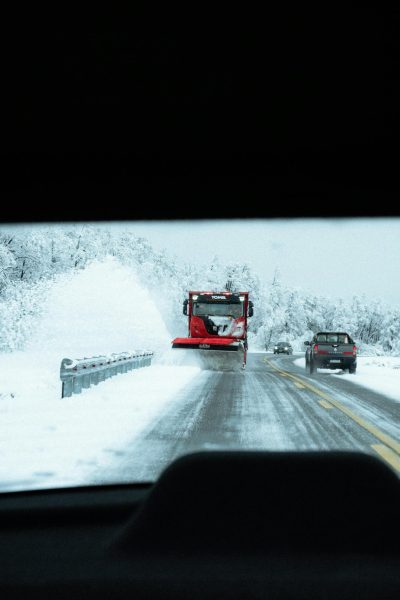
Even travel on the roads has been equally hazardous. Snow-blanketed highways, icy bridges, and poor visibility have triggered an increase in road traffic accidents. For example, officials from “The Zebra” estimated about 150,000 car crashes or disabled vehicles happen every winter. Pileups and stalled cars are dangerous to the drivers, but they also delay emergency time response and make already congested roads even more hazardous.
While winter travel is particularly challenging every year, safety can be enhanced through careful planning. Travelers should preplan their route, monitor weather, and note areas of heavy traffic areas to avoid when not necessary. Allowing extra time for travel helps to minimize traffic and poor decisions on the road. Another major preparation is having your vehicle ready; drivers should ensure their car is in good condition, has a spare tire, have warm clothing, blankets, food, and water in case you get stranded along the way. Above all, being alert and occupied with driving without using cellphones can help avoid accidents during winter driving conditions.
For air travel, book well in advance to secure better options. Early morning flights are less likely to be delayed or canceled. Monitor airline alerts and weather conditions around your route, and destination. Be prepared for last-minute schedule changes. Keep a few essentials in a carry-on bag, like medication, phone chargers, and key documents.
Finally, pay attention to your health before traveling. Staying current with all vaccinations, packing medications that may be needed, and getting a lot of rest before embarking will help prevent illnesses during the active travel season. With crowded airports, full planes, and unpredictable weather, this makes a great difference in being prepared physically and mentally. Although travel has its frustrations, planning and staying informed can help travelers make it through the frosty season safely.