


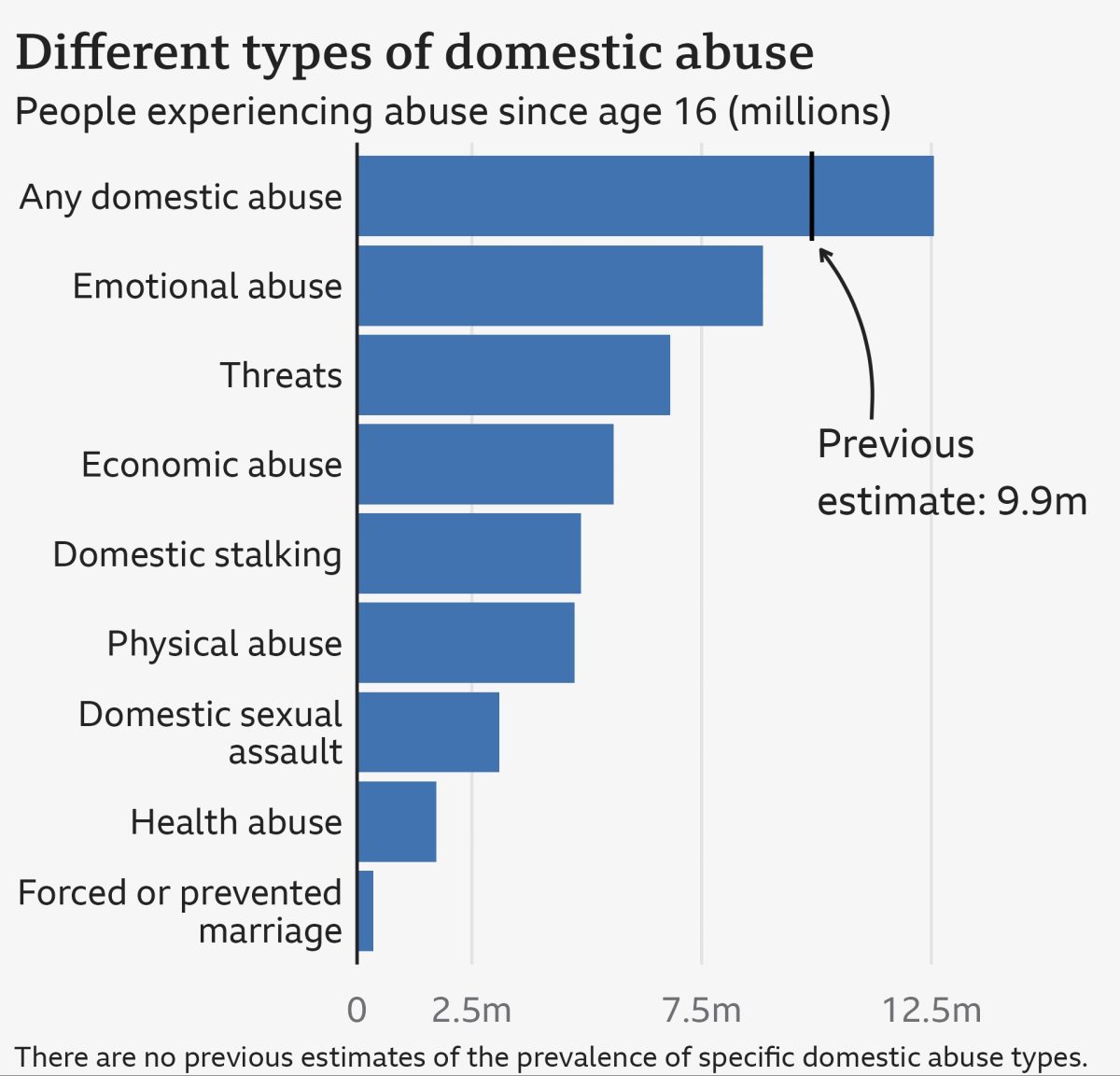
































The average amount of ads seen daily are estimated to be around 4,000 to 10,000 a day, only a small share is even consciously registered. Ad spend keeps rising while attention stays limited.
This constant stream of advertisements is increasingly intertwined with
entertainment consumption, shaping what people watch, listen to, and engage
with. High ad exposure can fragment attention, making it harder for users to focus on long-form or immersive entertainment. More ads mean more integration of commercial content into leisure activities, which can influence what people choose to watch, how they consume it, and even their attention span. While ads can drive discovery, they can also fragment focus and alter the quality or pacing of entertainment experiences.
I asked Sophomore Hayden Shields how she personally felt when entertainment content is interrupted or surrounded by frequent ads, she responded with, “I get really annoyed when i’m playing a game or watching something and ads interrupt me. It makes me want to quit what I am doing.”
I asked another Sophomore, Maddie Zanieski if she thinks audiences will push back against excessive advertising in the future, she replied, “Yes, because ads
nowadays are getting too excessive. People do not want to consume a media just to see ads they do not even care about.”