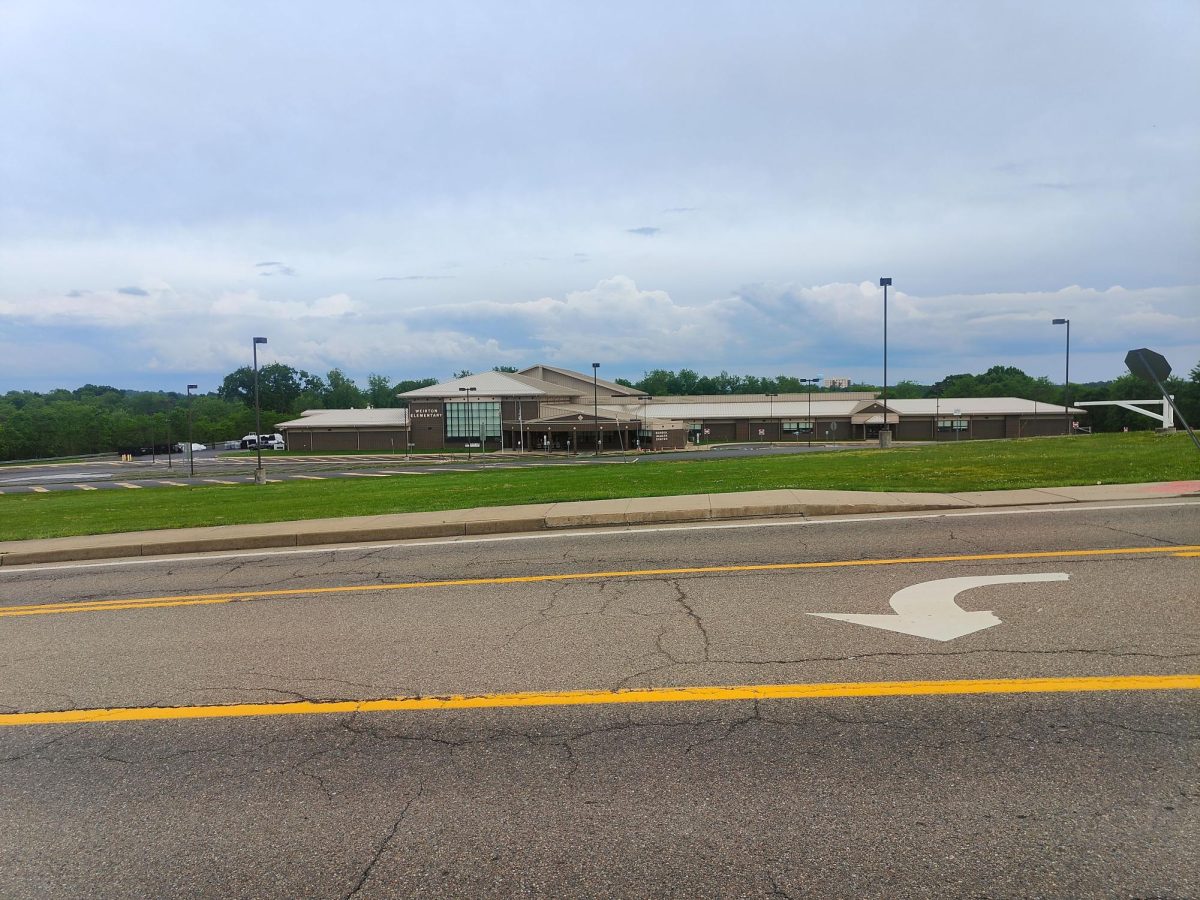






















Hancock County Schools has been awarded a three-year News Literacy Project District Fellowship Grant, making Weir High School the first school in West Virginia to take part in the program.
The fellowship gives the district $30,000 over the next three years to bring news literacy education into classrooms from kindergarten through 12th grade. News literacy focuses on helping students understand how media works, how to recognize reliable information, and how to think critically about the news they see every day.
The News Literacy Project is a national nonprofit that works with schools across the country. Hancock County joins the fellowship’s fourth cohort, which now includes twenty-eight districts in eleven states and has the potential to reach more than one million students
“This fellowship will help us equip students with essential skills in critical thinking, effective communication and digital literacy, preparing them to thrive in an increasingly complex and connected world,” said Kristin Bissett, the county’s federal programs, student services and assessment director.
To lead the project, the district formed a committee including county administrators and Weir High School journalism teacher and Weir Student Media adviser Morgan Bricker, who is serving as the fellowship lead for Hancock County Schools. The team began meeting in August to begin planning how news literacy will be taught and expanded each year.
“We are so fortunate and grateful for this opportunity,” Bricker said. “We are all drowning in information, and this grant will give us the skills and resources we need to navigate it.”
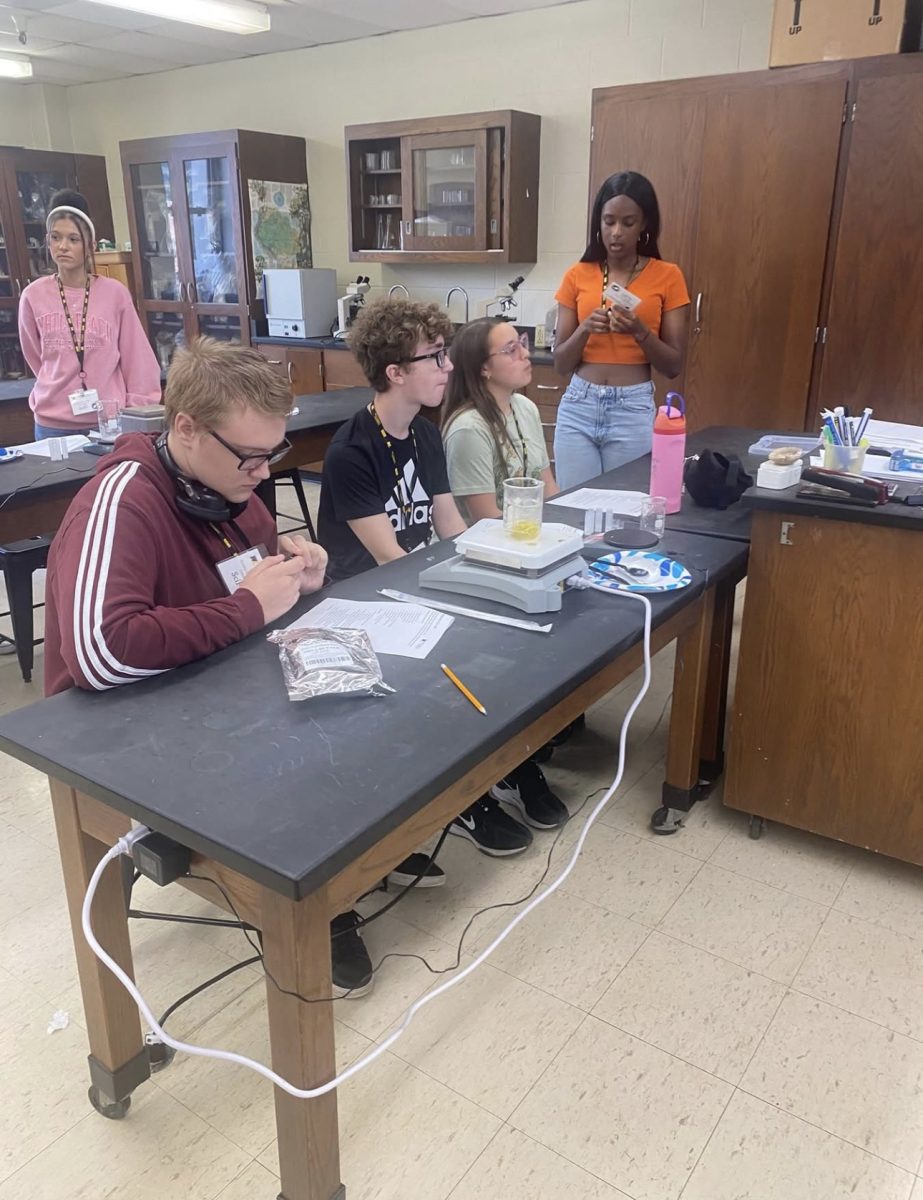
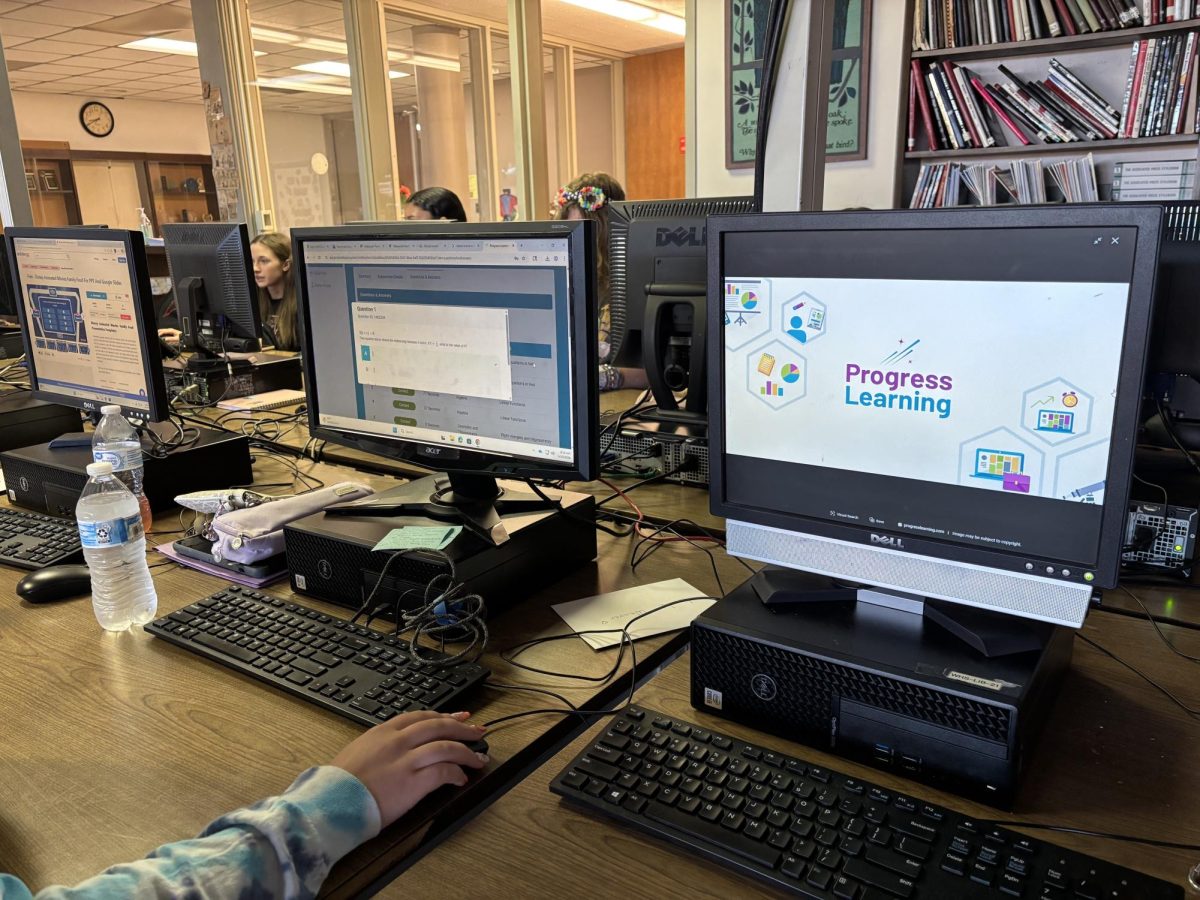
The district plans to start news literacy instruction with seniors this year and then work downward through the grades. Part of the project includes a new dual credit media course at Weir High, created in partnership with Marshall University. The class covers topics like evaluating sources, understanding how the media works, and recognizing misinformation. It is also tied directly into the News Literacy Project and gives students hands-on practice with the skills the grant aims to build.
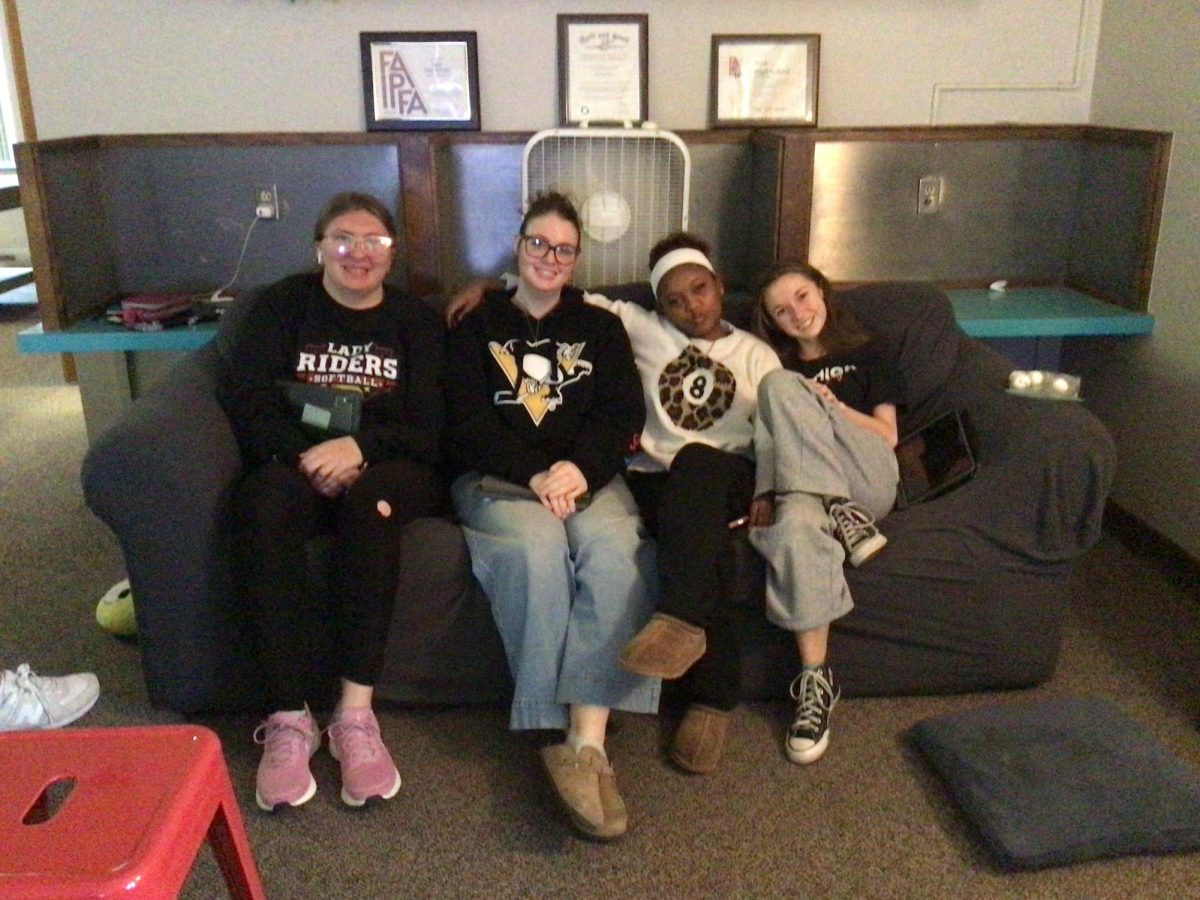
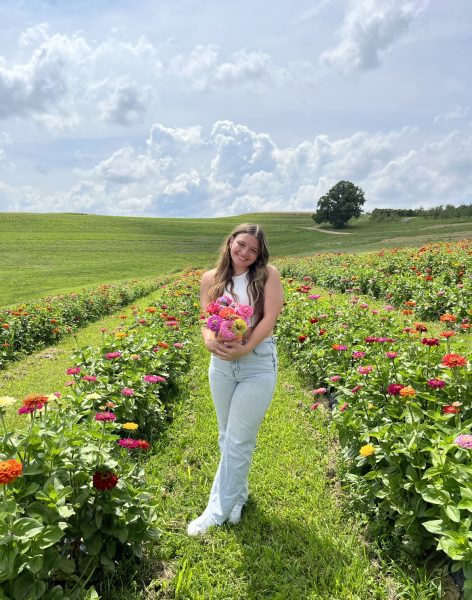
“The new media class has taught me a lot more about journalism. The class has taken everything I have known previously about journalism, news, and media and went deeper about things I never knew. The class has taught me that there is more behind media than what it looks like and has also taught me how to be more aware when using media and how to be ‘media literate.’” Said, senior Kaylee Webster, who has been part of the journalism program for four years.
“I think media literacy is very important, especially for high schoolers, because there’s a whole new world of AI and we have to navigate through it. It’s important to be able to know what’s true and what’s not because you never know anymore.” Sophomore Lilliana Trupiano explained the importance of the course.
“I think news literacy is important because it helps you to be educated and understand what’s true and not true,” said senior Olivia Shetler, who has never taken a media literacy class.
According to Bricker, the goal of the fellowship is to make sure every student in Hancock County learns news literacy skills before graduating. Teachers will receive new instructional materials and support, and student media programs, like Weir Student Media, will play a role in sharing news literacy ideas with their peers.
The committee will continue adding more teachers as the project grows. Over the next two years, they hope to expand the curriculum across all grades and possibly involve the community as well.
“I am so excited to be a part of this opportunity for our students, teachers and Hancock County Schools,” Bricker said in her email. “I know this work will have ripple effects for our students and beyond that we can’t even imagine yet.”