





































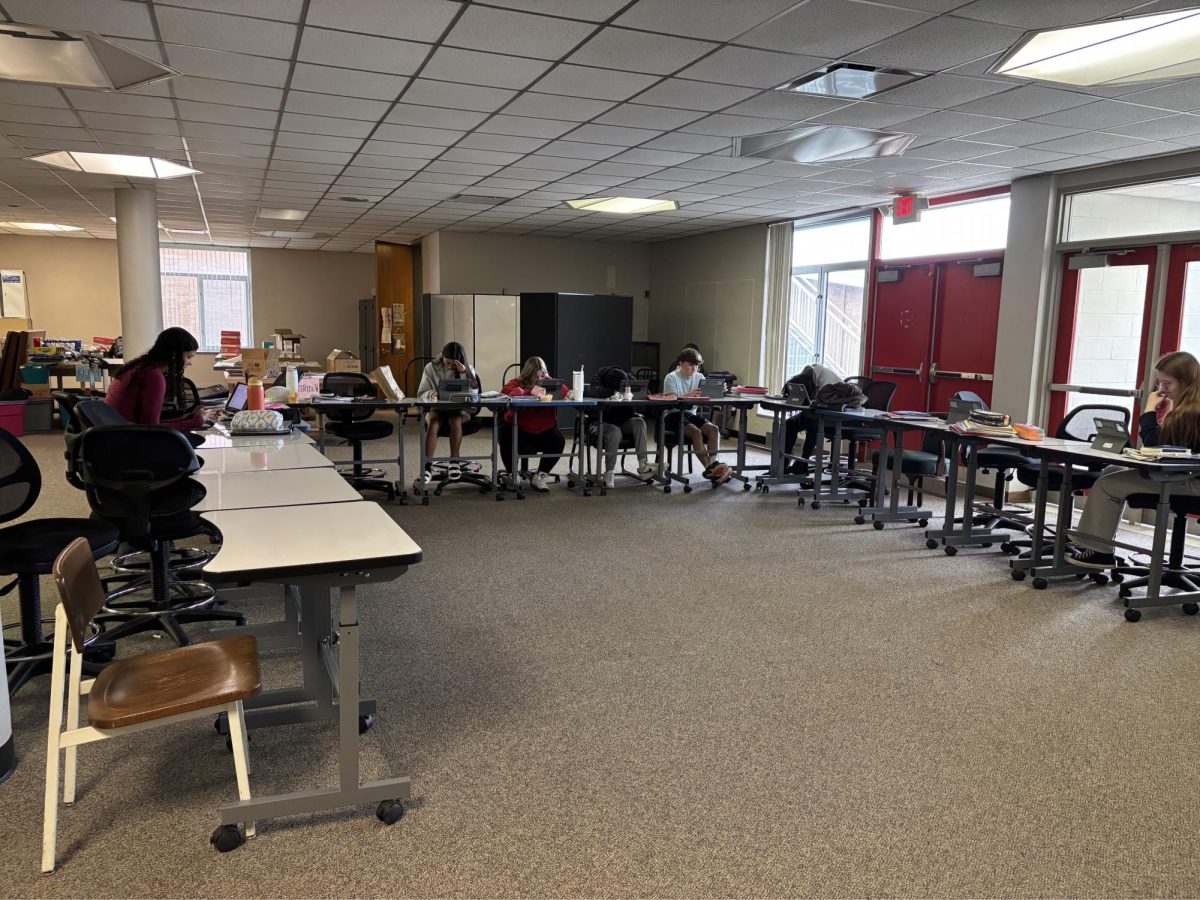
Procrastination affects almost everyone, including students, and it can have a variety of causes and effects.
It’s normal to put off tasks occasionally. Yet, excessively doing so can have many negative effects on students. This includes things such as mental health, grades, and more. Luckily, there are some tips and tricks to help prevent and escape this.
People can delay tasks for a variety of reasons. In a blog post, the University of Pittsburgh Medical Center explained the causes Share.upmc.com . An example of this includes perfectionism and a fear of failure. It could also be from indecisiveness on how to complete a task or having an overwhelming number of tasks. Some people also enjoy the thrill of rushing to finish a task at the last minute.
“It just makes me want to work less,” said Sophomore Emma Salatino, “I feel guilty for putting stuff off then I want to put it off more because I lose motivation.”
Stalling on work can have many effects on students. For example, it could lead to burnout or make future procrastination harder to escape. In a schoolwide survey, students reported how procrastination affects them. Sophomore Joshua Cooper said, “I have to hurry up and finish stuff the night before it’s due, and it causes me to lose a lot of sleep.”
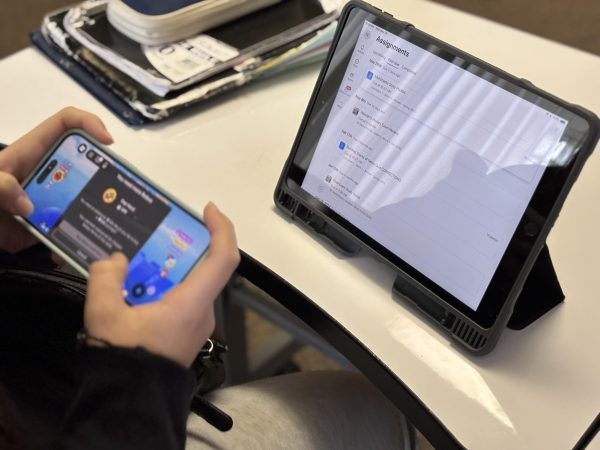
Freshman, Kelly Salatino said, “It hurts my grades and makes them suffer.”
Teachers were polled about how they think procrastination affects students. All respondents agreed that it is common for most students to put off tasks in some way.
Science teacher Jason Bennett said, “Procrastination defiantly impacts their grades because they fall behind in work. Also, after so much time teachers will not accept late work making the student get zero credit for the work.”
Many other teachers also talked about how it can hurt grades or the quality of students’ work. Some teachers mentioned increases in stress and anxiety among students. Spanish teacher Mary Ciszek stated, “It is very difficult for students to catch up when they get behind. This increases their anxiety and wish to procrastinate.”
Fortunately, the blog post from the University of Pittsburgh Medical Center also explains some tips and tricks you can follow to help get around these things. Some strategies include breaking tasks into simpler and easier pieces. You could also try to create an organized list of your tasks. If possible, you could offload some work to others if it is too much for you. Also remember that most work doesn’t have to be perfect.
Students were also asked how they find motivation to stop delaying tasks. Some students mentioned music as a way to help find motivation. Junior Emma Nichols said, “I set up alarms to get up and get my work done, put my phone in a different room, and use a planner.” Many students also mentioned thinking about their future and their grades to find motivation.
Procrastination is a completely normal thing to experience. Yet, it is important to fix it if it is overwhelming. If the strategies above do not help, students can research other solutions or reach out to their family, a teacher, or a school counselor for further help.